How to Choose a Heavy Duty Towing Company That Minimizes Downtime for Your Fleet
Fleet operators know that unexpected breakdowns or accidents can disrupt schedules, increase operational costs, and negatively affect customer satisfaction. When a heavy-duty vehicle experiences a mechanical failure, every minute counts. The right towing company can significantly reduce downtime, ensuring your fleet returns to the road quickly and safely. Choosing a provider that understands the unique demands of heavy-duty vehicles—ranging from semi-trucks to construction equipment—is not just about convenience; it is a strategic business decision that protects your bottom line. Moreover, a skilled towing partner can prevent secondary damage to vehicles, safeguard valuable cargo, and reduce liability risks associated with on-site recoveries. In industries where time-sensitive deliveries and operations are critical, having a reliable heavy-duty towing service becomes an integral part of overall fleet management.
Selecting a towing service involves more than picking the closest company or the cheapest option. Fleet managers must evaluate expertise, equipment capacity, response times, and reliability. A well-chosen heavy-duty towing partner can handle complex recoveries, navigate challenging locations, and provide preventative support to minimize long-term disruptions. This guide explores the key considerations for selecting a heavy-duty towing company that minimizes downtime, helping you make informed decisions that safeguard your fleet’s performance and operational efficiency. Additionally, understanding a provider’s safety protocols, communication practices, and industry certifications can further ensure smooth operations. By taking a strategic approach, fleet operators can reduce risks, maintain productivity, and strengthen partnerships with towing experts who consistently deliver professional, dependable service.
Key Considerations When Choosing a Heavy Duty Towing Company
Understanding Fleet Needs
Assess Vehicle Types and Sizes
Not all towing companies are equipped to handle every type of heavy-duty vehicle. A fleet may include tractor-trailers, box trucks, dump trucks, or specialized construction equipment. Before contracting a towing company, evaluate whether they have the proper tow trucks, lifting equipment, and trained personnel to manage your specific fleet. Using an under-equipped provider can lead to delays, increased damage, and higher costs.
Frequency and Nature of Incidents
Consider how often your fleet encounters breakdowns or requires roadside assistance. A fleet operating long-haul trucks may prioritize 24/7 emergency response and long-distance recovery, while local delivery fleets might value faster response times within urban areas. Understanding these operational nuances helps in selecting a towing service aligned with your fleet’s specific needs.
Integration with Maintenance Schedules
A towing company that collaborates with your existing maintenance schedules can reduce unexpected downtime. Some providers offer preventive roadside inspections during a recovery call or can coordinate with your mechanics to streamline repairs. This proactive approach ensures your fleet is back in service faster.
Evaluating Response Time and Availability
24/7 Availability Is Crucial
Heavy-duty vehicle breakdowns rarely occur during regular business hours. A reliable towing company must be available around the clock, including nights, weekends, and holidays. Delayed responses can cost hundreds, if not thousands, of dollars in lost productivity.
Geographic Coverage
Consider the company’s coverage area relative to your fleet’s typical routes. A local provider with strong regional knowledge can navigate roads efficiently, avoid traffic delays, and reach remote locations faster than a national provider unfamiliar with the area.
Realistic Arrival Estimates
During the selection process, ask potential providers about average response times for your region. Ensure their estimates reflect realistic travel times under various traffic and weather conditions. Providers who consistently meet or exceed these expectations demonstrate reliability and operational competence.
Scenario Example:
Imagine a semi-truck breaks down on a highway during peak traffic hours. A company with local expertise and strategically positioned vehicles can arrive promptly, reducing both downtime and the risk of secondary accidents.
Assessing Equipment and Capabilities
Specialized Heavy-Duty Tow Trucks
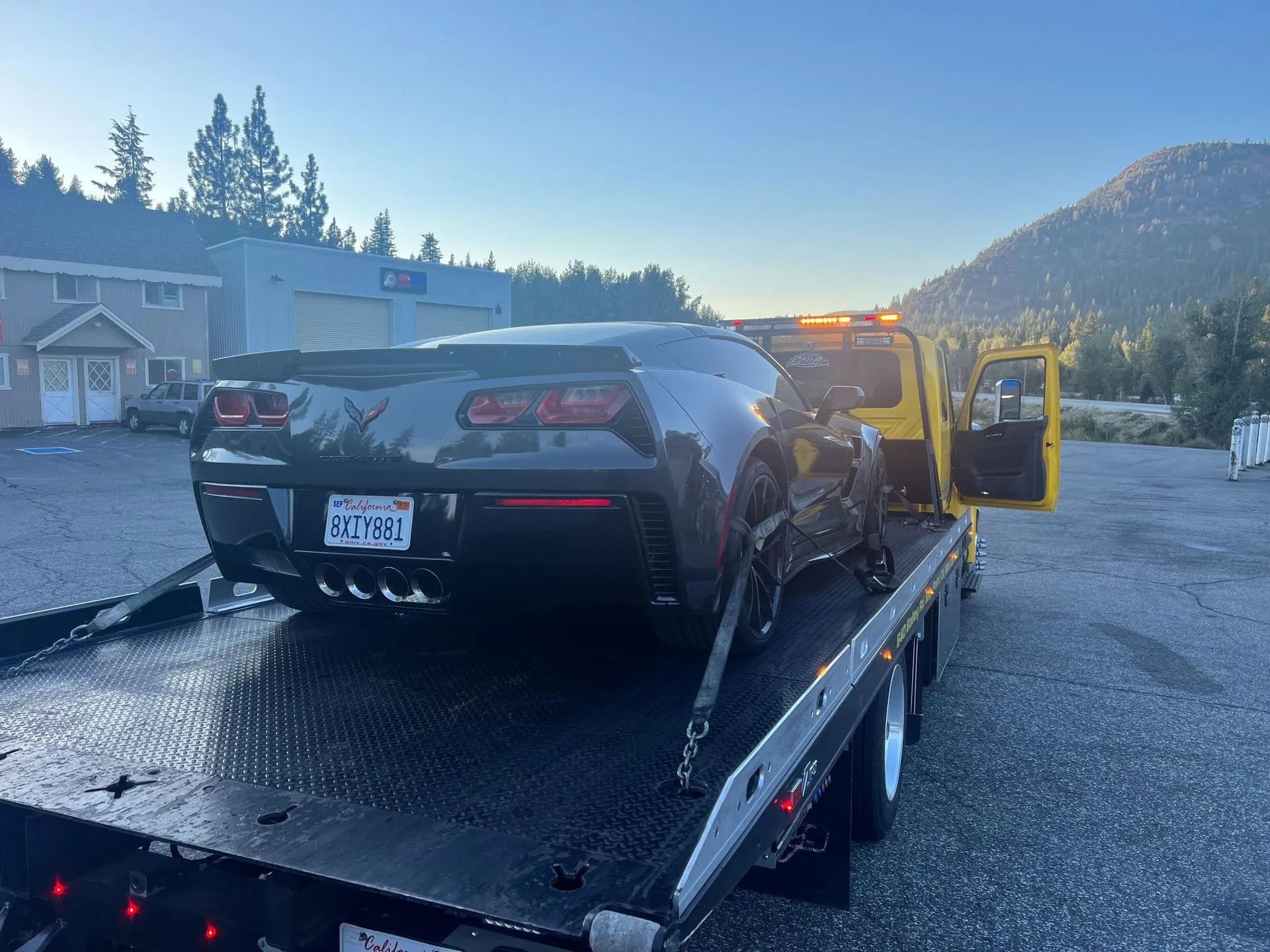
Heavy-duty towing requires specialized equipment such as rotators, boom trucks, flatbed wreckers, and integrated recovery systems. Ensure the provider’s fleet includes these capabilities, as standard tow trucks cannot safely recover large vehicles without causing further damage.
Load Capacity and Safety Features
Check the towing equipment’s weight capacity and safety certifications. A semi-truck loaded with cargo demands a truck with adequate lifting strength and secure load-handling systems. Inadequate equipment can lead to accidents, costly repairs, and extended downtime.
Technology and Communication Tools
Modern towing companies use GPS tracking, mobile dispatch apps, and real-time communication systems to coordinate recovery operations efficiently. Technology enables better route planning, faster response times, and continuous updates to fleet managers during the recovery process.
Example Benefit:
A fleet manager receives a real-time update showing that the tow truck is en route and estimated arrival is 30 minutes. This transparency allows for proactive communication with clients and internal teams, maintaining trust and minimizing operational disruption.
Checking Expertise and Industry Experience
Certified and Trained Personnel
Towing heavy-duty vehicles requires specialized skills, including load balancing, safe attachment, and knowledge of vehicle systems. Confirm that the company employs certified drivers and technicians trained in heavy-duty recovery operations.
Experience With Similar Fleets
Ask about the company’s experience with fleets of similar size and type. Providers familiar with commercial trucking, construction equipment, or specialized industrial vehicles are better equipped to anticipate challenges and implement efficient recovery strategies.
References and Case Studies
Request references or examples of past fleet recoveries. Experienced towing companies can share metrics such as average recovery times, types of vehicles serviced, and unique recovery challenges successfully addressed. These case studies provide valuable insight into reliability and competence.
Scenario Example:
A fleet with refrigerated trucks requires a towing company capable of handling sensitive cargo. An experienced provider understands the urgency, uses specialized equipment, and minimizes temperature exposure during recovery—preventing product loss and reputational damage.
Understanding Pricing and Contract Terms
Transparent Pricing Models
Heavy-duty towing costs can vary based on vehicle type, distance, time of day, and complexity of recovery. Look for providers offering clear, upfront pricing without hidden fees. Transparent pricing allows accurate budgeting and avoids unpleasant surprises during emergencies.
Contractual Agreements for Ongoing Support
For fleets with frequent towing needs, negotiating a contract can secure priority service, discounted rates, and guaranteed response times. Contracts outline responsibilities, service expectations, and performance standards, ensuring both parties are aligned in minimizing downtime.
Insurance and Liability Coverage
Ensure the company maintains adequate insurance coverage for vehicles under tow, personnel, and any potential third-party damages. This protects your fleet from financial exposure in case of accidents during recovery.
Example Benefit:
A fleet manager with a formal service contract receives priority dispatch during peak demand. As a result, a disabled truck is cleared within an hour, compared to a non-contracted scenario where wait times could exceed three hours.
Evaluating Communication and Customer Support
Dedicated Fleet Support
Choose a company that provides a dedicated point of contact for fleet operations. This ensures continuity and familiarity with your vehicles, policies, and unique operational requirements.
Real-Time Updates and Reporting
Effective communication includes real-time updates via calls, text, or apps, as well as detailed post-recovery reports. Documentation of response times, incident details, and equipment used helps improve internal planning, maintenance schedules, and risk assessment.
Problem-Solving and Flexibility
Emergencies are unpredictable. A reliable towing partner demonstrates adaptability, offering alternative routes, equipment adjustments, or on-site troubleshooting when standard procedures are insufficient.
Scenario Example:
During a multi-vehicle accident, a towing company communicates recovery timelines, coordinates multiple trucks, and adapts strategies to clear the site efficiently. This proactive approach reduces congestion and minimizes fleet downtime.
Best Practices for Fleet Managers
Establish Clear Protocols
Develop internal protocols for drivers to report breakdowns, including immediate contact with the towing company, vehicle location, and any specific hazards. Clear communication channels streamline dispatch and reduce delays.
Conduct Regular Evaluations
Periodically review the towing company’s performance metrics, including response times, recovery success rates, and equipment reliability. Adjust contracts or explore alternative providers if service levels decline.
Invest in Preventive Measures
While a towing service is critical for emergencies, preventive maintenance reduces dependency on emergency recovery. Regular inspections, scheduled servicing, and driver training can minimize breakdown occurrences, enhancing fleet efficiency.
Build Long-Term Relationships
Partnering with a single, experienced towing provider fosters trust, familiarity, and priority service. Long-term relationships often yield benefits such as faster recovery, better pricing, and customized service solutions tailored to your fleet’s needs.
Reliable Heavy Vehicle Support Delivered By AT Towing
Choosing a heavy-duty towing company that minimizes downtime is essential for fleet efficiency, cost control, and customer satisfaction. By carefully evaluating equipment, expertise, response times, communication capabilities, and contractual terms, fleet managers can select a provider capable of delivering prompt, safe, and reliable recovery services. Proactive strategies, such as establishing internal protocols and conducting performance reviews, further enhance operational resilience. Additionally, integrating a towing partner into your fleet’s overall operational strategy can improve long-term planning, reduce unexpected delays, and provide insights into recurring mechanical issues. Strategic collaboration with a trusted provider ensures that downtime is not only minimized but also predictable, allowing fleet managers to optimize scheduling and maintain strong client relationships.
AT Towing, based in Concord, CA, has over 8
years of experience providing dependable heavy-duty towing solutions. Our team is committed to minimizing fleet downtime by offering rapid response, advanced towing equipment, and skilled operators trained in handling all types of commercial vehicles. We understand the unique challenges faced by fleet managers and work closely with clients to ensure seamless recovery and consistent operational continuity. With a focus on reliability, transparency, and professional service, AT Towing
provides customized solutions tailored to each fleet’s unique needs. Partnering with AT Towing
guarantees that your fleet remains on the move, backed by trusted, professional service and an unwavering commitment to efficiency and reliability, ensuring peace of mind for fleet operators at every stage of recovery.