Low-Clearance Luxury Car Needs a Tow? Why Equipment Choice Protects It
Quick Answer: A standard flatbed with a fixed ramp angle, or any hook-and-chain rig, can crack a front splitter, tear an undertray, or scrape side skirts on a low or modified car before the vehicle is even fully loaded. The safest setup uses a flatbed with an articulating tilt-deck tail or extended ramps that create a shallower approach angle, a winch instead of driving the car up under its own power, and nylon soft straps looped over the tires instead of chains or hooks anywhere near the frame or suspension. Wheel-lift trucks, which leave two wheels rolling on the pavement, work fine for a lot of everyday cars but are the wrong call for anything sitting low or running a wide-body kit. Hook-and-chain equipment has no business near a modern bumper cover or a carbon fiber splitter at all. Asking the right questions before a truck ever backs up to your car — about ramp angle, tie-down method, and the driver's actual experience with low vehicles — matters more than which company shows up first.
Your car sits maybe four inches off the ground at the front lip, and the flatbed idling behind you has a ramp angle built for a pickup truck. You already know what happens next if nobody adjusts for that. Somewhere between the pavement and the deck, that splitter you paid real money for is going to find the one spot where the ramp meets the ground at the wrong angle.
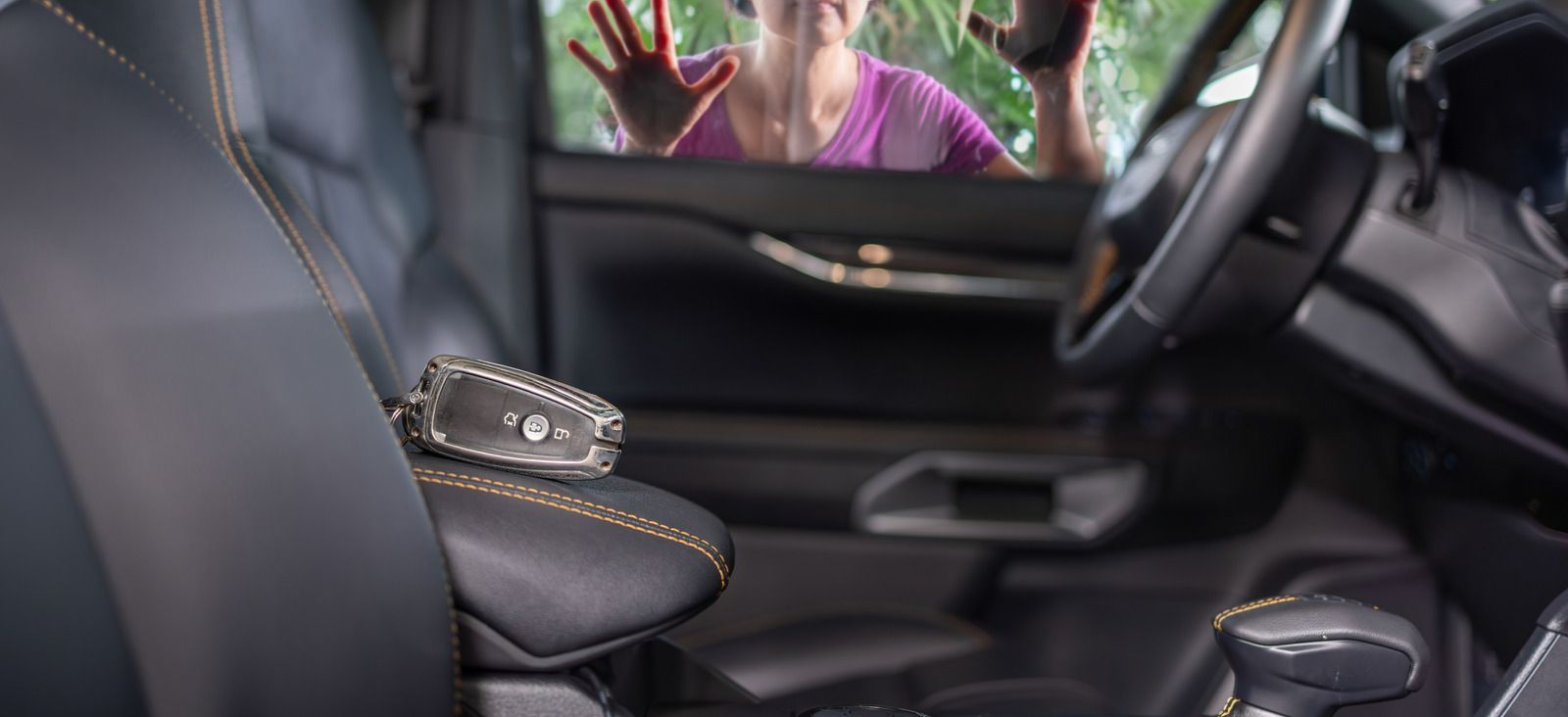
Maybe you're stuck on the shoulder of Highway 4 outside Antioch, hazards on, watching every truck that passes and wondering if the next one will actually know what it's looking at. Maybe your car died in a parking structure in downtown Walnut Creek, and the tow company on the phone just asked "regular car or bigger?" like there's nothing in between. Either way, the fear isn't really about getting towed. It's about handing your car to a stranger and hoping the equipment on the truck matches what your car actually needs.
That gap — between "any tow truck" and "the right tow truck" — is where most of the expensive damage happens. It's fixable, and it starts with knowing what to look for before the hook, the strap, or the ramp ever touches your car.
Why a Standard Tow Truck Can Wreck a Splitter in Seconds
Every car has what's called an approach angle: the steepest incline the front end can climb before the lowest point of the bumper makes contact with the ground. On a stock sedan or a crossover, that angle is generous enough that almost any ramp works. On a lowered sports car, a widebody build, or a factory exotic sitting on performance suspension, that angle can be just a few degrees — barely enough clearance to pull out of a steep driveway in Walnut Creek without scraping, let alone climb onto a six-foot steel ramp set at a fixed pitch.
The damage isn't hypothetical. Carbon fiber and plastic front splitters crack on contact. Undertrays tear loose from their mounting clips. Side skirts and lower door panels pick up gouges from the edge of a ramp. None of it is cosmetic in the "buff it out" sense — a cracked splitter usually means a full replacement, and refitting one on a modified car isn't quick.
The problem compounds with wide-body kits. A car built with flared fenders or aftermarket wide-body panels can be several inches wider than the same model came from the factory, which means it may not fit cleanly between the rub rails on a standard tow bed. A driver who hasn't measured the car first can end up dragging a fender against hardware that was never meant to touch it.
Break-over angle matters too, and it gets less attention. This is the clearance at the midpoint of the undercarriage, where the belly of a long or very low car can hang up on the crest of a ramp even after the front bumper clears it. A low coupe coming off a steep driveway apron onto a flatbed can high-center right at that peak, grinding the underbody against the ramp instead of sliding onto the deck.
Flatbed vs. Wheel-Lift: The Method Matters More Than the Truck Type
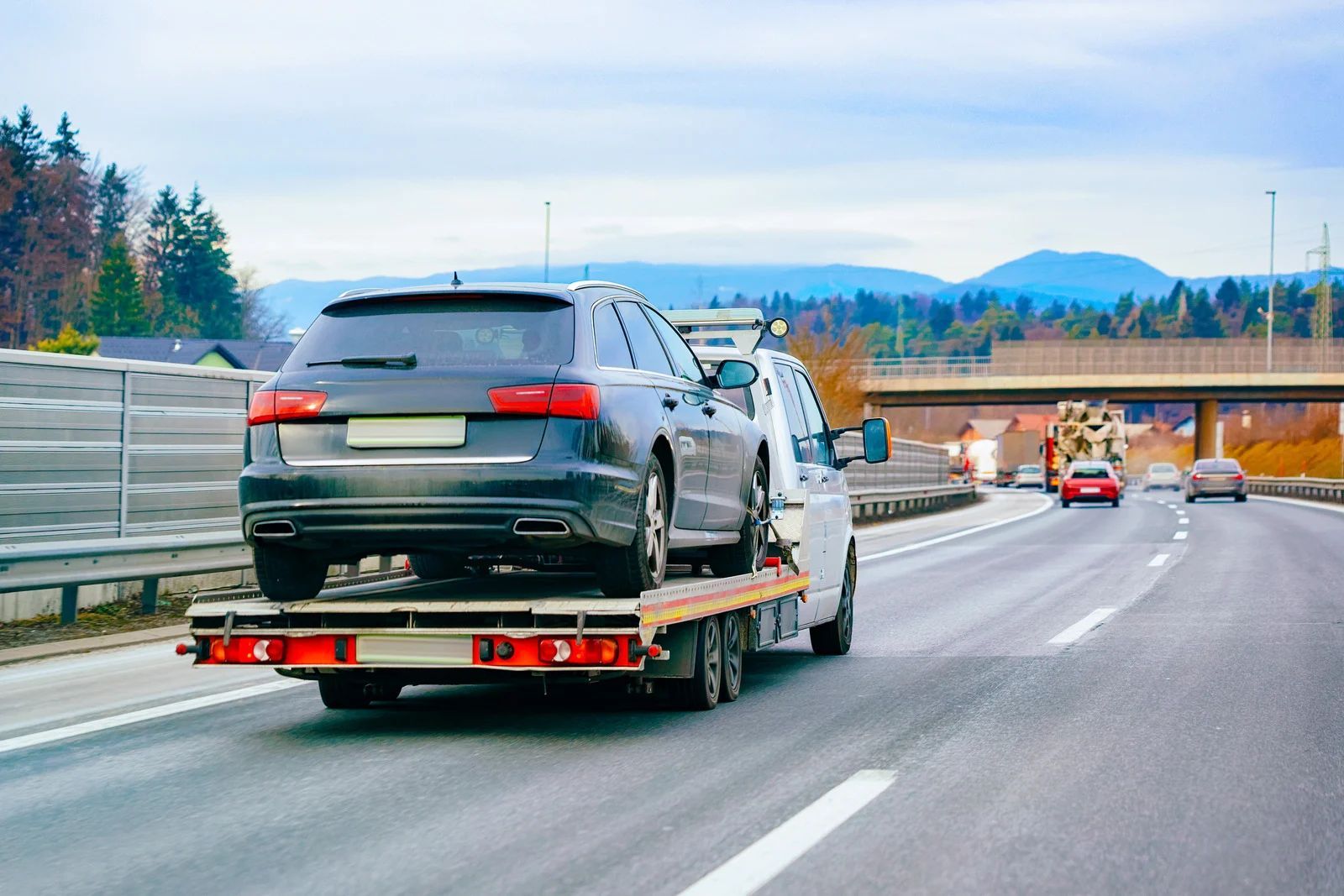
Not every tow truck on the road is built the same way, and the difference isn't cosmetic. A flatbed uses a hydraulic platform that tilts down to the pavement so the car can be driven or winched fully onto the bed — all four wheels off the ground for the entire trip. A wheel-lift truck grabs either the front or rear axle with a hydraulic yoke and leaves the other two wheels rolling on the road behind it.
For a low-clearance or modified vehicle, that difference decides whether the car arrives undamaged. Wheel-lift setups keep part of the vehicle close to the pavement and moving, which raises the odds of a splitter or lip scraping on uneven roads, railroad crossings, or the dips you hit merging onto I-680 near Martinez. Flatbeds eliminate that risk because the car never touches the road again once it's loaded.
Then there's hook-and-chain towing, the oldest method still occasionally seen on older trucks. It was designed for an era of body-on-frame cars with exposed frame rails a hook could grab safely. Modern bumper covers are plastic composite, not structural steel, and there's no safe place on a unibody exotic or a lowered sports car for a chain to bite into. A driver who hooks a chain to anything on a modern low-clearance car risks bending a bumper support, cracking a fascia, or worse. If a truck shows up with hooks and chains and no flatbed option, that's a sign to ask for a different truck, not a sign to let them "try it carefully."
Wheel-lift towing still has a legitimate place. It's faster to set up in tight parking garages and narrow streets, and for a standard front-wheel or rear-wheel drive commuter car with normal ground clearance, it's a perfectly reasonable option for a short local tow. The mistake is assuming one method fits every vehicle. A daily-driven sedan and a lowered coupe with a front splitter do not have the same towing requirements, and a company that treats them identically hasn't matched equipment to the car in front of them.
Tip:
Before a truck arrives, measure or estimate your car's front lip height with a tape measure or even a shoe on its side. Giving the dispatcher that number — "about four inches at the lowest point" — does more to get the right truck sent than describing the car by make and model alone.
Tilt-Deck Angles and Extended Ramps: The Equipment That Actually Protects Your Car
The real fix for a steep approach angle isn't a different truck so much as a different deck. A tilt-deck trailer with an articulating tail can "break" its angle partway up, creating a shallow first stage instead of one continuous steep ramp. Instead of the bumper meeting a single sharp incline, the car climbs a gentler slope that flattens out before the deck levels off completely.
Extended ramps do similar work by simple geometry. A standard ramp runs around six feet; specialized low-clearance equipment often runs ten to twelve, spreading the same rise over a longer run and cutting the effective angle at any given point. Some operators carry foam ramp extensions that clip onto the truck's existing ramps for exactly this reason.
How the car gets onto the deck matters as much as the ramp itself. Winching a car up at a slow, controlled pace beats driving it up under its own power. Applying throttle on an incline compresses the suspension — the squat you feel accelerating from a stop — and that squat lowers the front bumper right when it needs every millimeter of clearance. A winch pulls the car up gradually without that added compression, which is why a good operator suggests it even when the car runs fine.
Keeping the front wheels pointed straight during loading isn't a small detail. Turning the wheels on the ramp angles the tire into the fender liner, which can tear it or scuff the paint above. Minor next to a cracked splitter, maybe, but it's an easy mistake a driver unfamiliar with modified cars won't think twice about.
None of this is exotic knowledge in the towing trade. It's standard practice for anyone who regularly handles low or modified vehicles. The issue is that not every truck on the road carries this equipment or trains drivers to use it — which is why the equipment question belongs before the truck leaves the yard, not after it arrives at your car.
How Your Car Gets Secured Actually Matters
Getting the car onto the bed safely is only half the job. How it gets tied down for the drive determines whether it arrives the way it left.
Metal chains and J-hooks have no place on a modern car's tie-down points, especially near painted surfaces, suspension arms, or anything plastic. They're rigid, they concentrate force on a small contact point, and a chain that shifts slightly during transit can scratch through clear coat in seconds. Nylon soft straps spread that same load across a wider area and won't bite into paint or trim the way metal hardware can.
The placement of those straps matters as much as the material. The safest approach loops a soft strap or basket strap over each tire rather than hooking onto the frame or a suspension component. Strapping over the tires lets the car's own suspension keep working naturally against road vibration during the drive, instead of pulling the body down toward the bed and putting sustained tension on control arms and bushings that were never designed to be tie-down points.
Clearance matters after the car is loaded, too. A driver should leave enough gap between the front bumper and the truck bed that a pothole — and Bay Area freeways have their share, particularly on stretches of Highway 4 through Pittsburg and the older sections of I-80 near Vallejo — doesn't bounce the suspension hard enough to slam a low front splitter into the metal deck. That's a judgment call an experienced operator makes before pulling away, not something noticed for the first time after arriving.
Ask about wheel-lift clamps too. Some low-profile vehicles that don't need a full flatbed can still move safely with padded, cushioned clamps rather than a bare hydraulic yoke against the tire and rim. The padding matters here the same way soft straps matter on a flatbed — it's the difference between contact that protects the wheel finish and contact that scuffs it.
Frequently Asked Questions
Can a wheel-lift truck ever safely tow a lowered car?
Generally no, if the ground clearance is low enough that the body could scrape with two wheels still on the pavement. Dollies under the non-lifted wheels can sometimes work around this, but a flatbed with the right ramp setup stays the more reliable option.
Why is hook-and-chain towing bad for modern cars?
It was built for older vehicles with exposed steel frame rails strong enough to take a direct hook. Modern bumper covers are plastic composite over crumple structures, so a chain has nowhere safe to grab without cracking a fascia or bending a bumper support.
Does my car need to be running to be winched onto a flatbed?
No. If the engine won't start, a properly equipped truck can winch the car up using a strap bridle or the factory tow hooks, without anyone in the driver's seat. This is gentler on a low car than driving it up, since there's no throttle input compressing the suspension.
Should I stay with my car while it's being loaded?
Yes, whenever it's safe. Being there lets you point out the car's clearance issues, confirm the driver is using soft straps rather than chains, and note its condition before it's loaded.
What's the difference between an approach angle and a break-over angle?
Approach angle is how steep a ramp can be before the front bumper hits the ground. Break-over angle is the clearance at the midpoint of the underbody, which matters most on longer, lower cars that can high-center on a ramp's peak even after the front end clears it.
Are soft straps strong enough for highway transport?
Yes. Quality nylon soft straps and basket straps are rated for the loads involved in vehicle transport and, looped correctly over each tire, distribute force evenly enough to hold a car through normal driving, braking, and a rough patch of freeway.
Knowing the Right Truck Protects Your Car
The gap between an available tow truck and the right one comes down to a few minutes of attention. Ramp angle, winch loading, and soft straps over the tires are not exotic requests. They are the difference between a car that arrives the way it left and one that picks up damage nobody notices until the deck comes down. Knowing what to ask for puts that decision back in your hands instead of leaving it to chance.
Drivers who handle low and modified vehicles every week think about clearance before anything else, and that instinct is what keeps a splitter intact. AT Towing
has spent 8
years running
flatbeds
built for exactly these cars throughout Concord, CA, with operators who default to soft straps and watch bumper clearance the whole way onto the bed. Knowing your front lip height, and knowing which questions matter, is what turns a nerve-wracking situation into a car that simply gets home.