Dead Battery in a Bay Area Parking Garage? Why a Jump Isn't Always Enough
Quick Answer: A jump-start can get a dead car running again, but it isn't always enough, because it only supplies a burst of power to start the engine, it doesn't fix why the battery died. If the battery is old or failed, or the charging system (alternator) isn't working, the car may not restart once shut off, may die again soon, or may not jump at all. A jump is a temporary boost, not a repair. Knowing when a jump is enough versus when the car needs more, like a tow to a shop, saves you from getting stranded again.
You come back to your car in a Bay Area parking garage, turn the key, and, nothing, or a weak click. A dead battery. The obvious move is a jump-start, and often that gets you going. But not always, and even when it does, a jump doesn't necessarily mean the problem is solved. Plenty of people get jumped, drive off, and find themselves dead again a short while later.
The reason is that a jump-start does one specific thing, it delivers a burst of power to crank and start the engine, but it doesn't address why the car died in the first place. If the underlying issue is a battery that's reached the end of its life or a charging system that isn't doing its job, a jump is only a temporary fix. Understanding when a jump is enough and when it isn't helps you avoid getting stranded twice, especially in a spot like a parking garage where it's a hassle to deal with. Here's what a jump-start really does and when your car needs more.
What a Jump-Start Actually Does, and Doesn't
To know when a jump isn't enough, it helps to understand exactly what a jump-start accomplishes, because it's narrower than people assume.
A jump-start uses another power source (another car's battery or a jump pack) to supply the surge of electricity needed to crank and start your engine when your own battery is too weak to do it. That's it, it borrows enough power to get the engine running. It does not recharge a dead battery to full, repair a worn-out battery, or fix a charging system that isn't keeping the battery charged. Once the engine is running, the car is supposed to keep itself going and recharge its battery via the alternator (the charging system).
So a jump is a starting boost, not a repair. Whether that boost is "enough" depends entirely on what caused the dead battery. If the battery was just temporarily drained (say, lights left on) and is otherwise good, and the charging system works, a jump plus some driving may fully resolve it. But if the battery is failed or the charging system is bad, the jump gets the engine running for now but the underlying problem remains, and the car will likely die again. That's the key distinction: a jump treats the symptom (engine won't start), not necessarily the cause.
When a Jump Isn't Enough
Several situations mean a jump-start won't truly fix the problem, and recognizing them tells you the car needs more than a boost.
The battery is old or failed
Batteries wear out. A battery at the end of its life may take a jump and start, but it can't hold a charge, so the car may die again soon, or fail to restart once you shut it off. If a battery is simply worn out, a jump is only borrowing time; the battery needs replacing.
The charging system (alternator) is failing
If the alternator isn't charging the battery while the engine runs, the car is running only on whatever the jump provided, and it'll die once that's used up, sometimes within minutes or miles. A jump can't fix a charging problem; the car will keep dying until the charging system is repaired.
It won't jump at all, or won't stay running
If the car won't start even with a proper jump, or starts and then immediately dies, that points to a problem beyond a simply drained battery, a failed battery, a charging or electrical fault, or something else, that a jump can't overcome.
It keeps needing jumps
A car that repeatedly needs jumping is clearly telling you the battery or charging system has a real problem. Repeated jumps are a red flag that the cause is unaddressed.
Signs of a deeper issue
Dim lights, electrical gremlins, or a battery/charging warning light alongside the dead battery suggest the problem is more than a one-time drain.
The common thread: when the battery is failed or the charging system is bad (or the car won't stay running), a jump is not enough, it's a temporary boost over an unresolved problem, and the car needs proper diagnosis and repair, or at least to be gotten somewhere it can be handled, rather than just jumped and sent off.
Tip:
After a successful jump, notice what the car does. If it was a one-time drain (like lights left on) and the charging system is fine, driving for a while should let it recharge, and it should start normally next time. But if you shut it off and it won't restart, or it dies again soon, or it needed jumping repeatedly, don't keep re-jumping it, that pattern means the battery or charging system has a real problem, and continuing to nurse it just risks getting stranded again somewhere less convenient.
Why the Parking Garage Makes It Trickier
A dead battery is annoying anywhere, but a Bay Area parking garage adds some practical wrinkles that are worth thinking about.
Parking garages can be tight, crowded, and awkward to get another vehicle next to yours for a jump, and low-clearance or multi-level structures can be hard for service vehicles to access. If a jump doesn't work or isn't enough, and the car needs to leave the garage but won't run, getting it out requires the right equipment and know-how in a confined space. And a car that starts on a jump but might die again is a gamble in traffic or on the way home, not where you want to be stranded.
So in a garage situation especially, it's worth being realistic about whether a jump has actually solved the problem. If the car jumps and clearly just had a temporary drain, you may be fine. But if it won't jump, won't stay running, or shows signs of a failed battery or charging problem, the better move is often to get professional help, whether that's an assessment on the spot or a tow out of the garage to where it can be properly diagnosed and repaired, rather than repeatedly attempting jumps in a difficult space or risking dying again immediately. Knowing when to stop jumping and call for help is what prevents a bad situation from getting worse.
Warning:
Be careful jump-starting a car yourself, done incorrectly, it can cause injury or damage the vehicle's electrical system, and a damaged or leaking battery shouldn't be jumped at all. Also don't keep repeatedly jumping and driving a car that won't stay running or keeps dying; that pattern signals a real battery or charging problem, and pushing it risks getting stranded in traffic or a worse spot. When a jump isn't enough, especially in a tight parking garage, it's safer to get professional help to diagnose the issue or tow the vehicle out to where it can be repaired..
Frequently Asked Questions
Why didn't a jump-start fix my dead car?
Because a jump only supplies a burst of power to start the engine, it doesn't repair why the battery died. If the battery is worn out or the charging system (alternator) isn't working, the car may not restart after you shut it off, or may die again soon, because the underlying problem is still there. A jump treats the symptom, not the cause, so it isn't always enough.
What does a jump-start actually do?
It borrows power from another battery or a jump pack to give your engine the surge it needs to crank and start when your own battery is too weak. That's all, it doesn't recharge a dead battery fully, repair a failed battery, or fix a charging system. Once running, the car is supposed to keep itself going and recharge via the alternator, if that system is working.
When is a jump not enough?
When the battery is old or failed (it can't hold a charge, so the car dies again or won't restart), when the alternator isn't charging (the car runs only on the jump's power and soon dies), when the car won't jump or won't stay running, or when it keeps needing jumps. In those cases the cause is unresolved, and the car needs diagnosis and repair, not just another boost.
Title or QueMy car started on a jump but died again, why?stion
Most likely because the charging system isn't working, so once the jump's power was used up, there was nothing keeping the engine running, or because the battery is failed. Either way, the car can't sustain itself, and re-jumping only repeats the cycle briefly. That pattern means a real battery or charging problem that needs to be repaired rather than jumped around.
Is it bad to keep jumping a car over and over?
It's a red flag, not a solution. A car that repeatedly needs jumping clearly has an unaddressed battery or charging problem, and continuing to nurse it risks getting stranded again somewhere worse, like in traffic. Repeated jumps also don't fix anything. It's better to get the battery and charging system diagnosed so the actual cause is repaired.
Why is a dead battery in a parking garage harder to deal with?
Garages can be tight and crowded, making it awkward to get another vehicle alongside for a jump, and low-clearance or multi-level structures can be hard for service vehicles to reach. If a jump fails or isn't enough and the car won't run, getting it out of the garage takes the right equipment in a confined space. That's why professional help is often the practical move in a garage.
Should I get a tow instead of another jump?
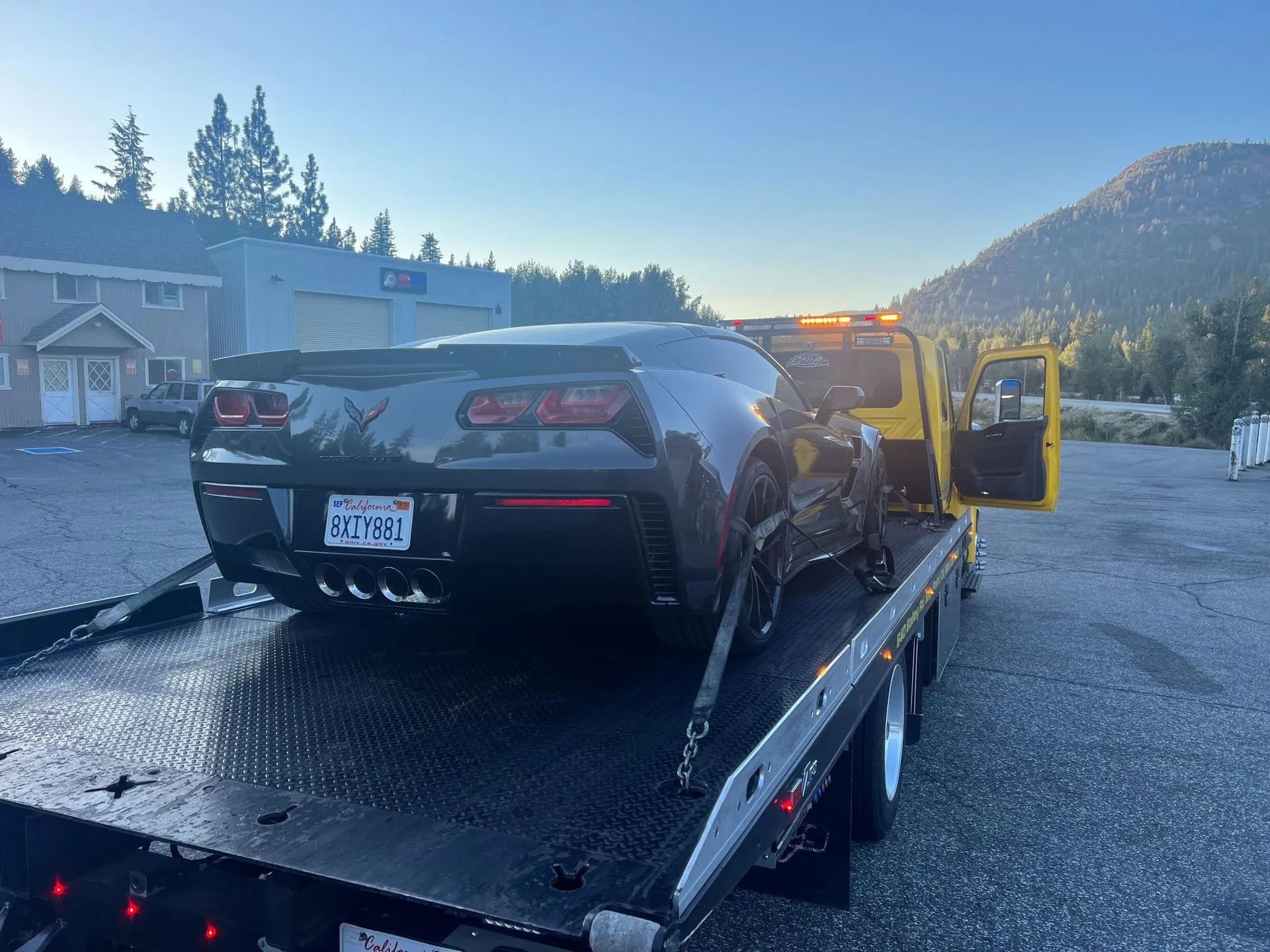
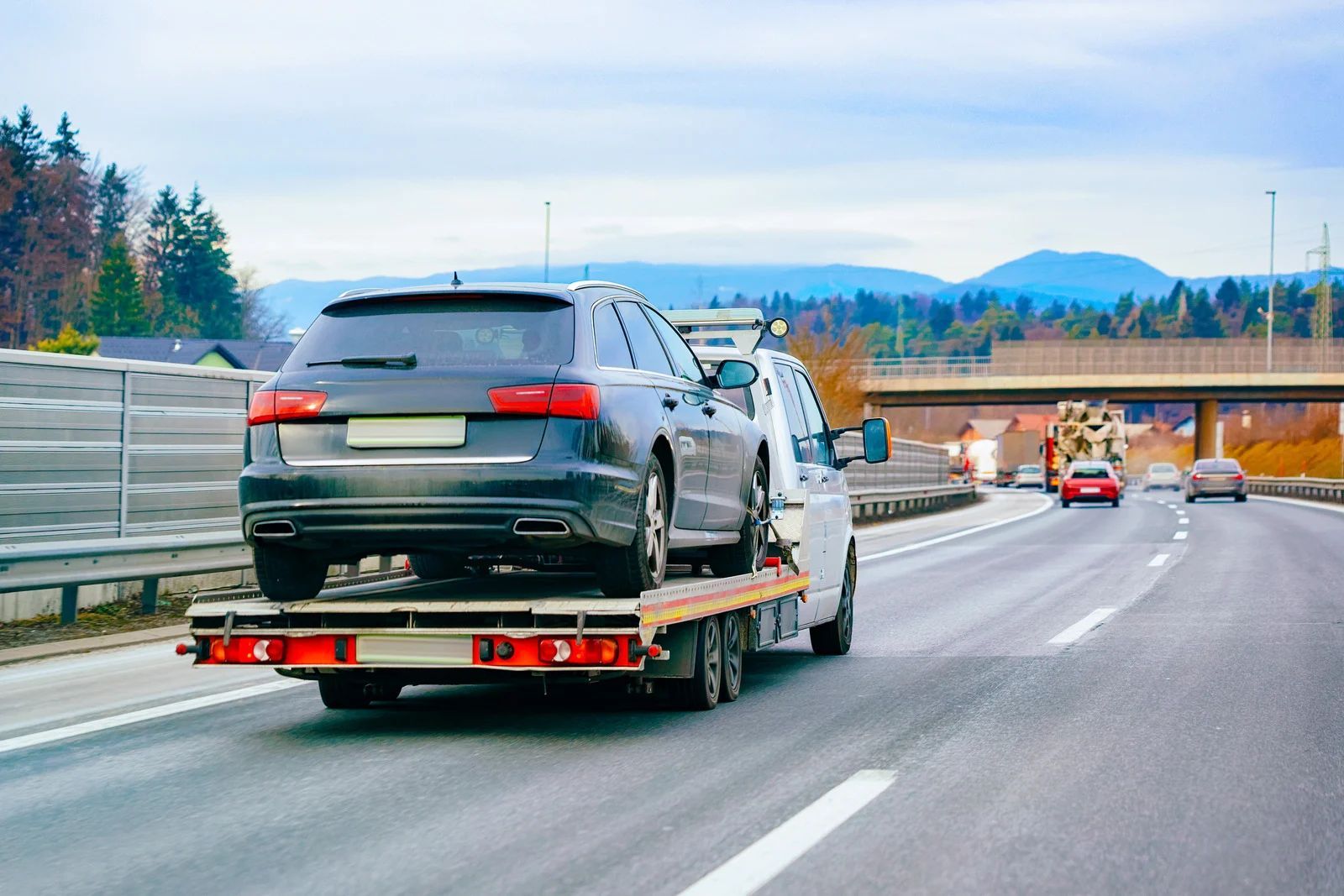
If the car won't jump, won't stay running, keeps dying, or shows signs of a failed battery or charging problem, yes, a tow to where it can be properly diagnosed and repaired is often the smarter move than repeated jumps, especially from a tricky spot like a parking garage. A jump is only worth relying on if the car clearly just had a one-time drain and runs normally afterward.
Know When a Jump Isn't the Fix
A jump-start is a handy boost, but it only gets your engine running, it doesn't fix why the battery died. If the battery is worn out or the charging system is failing, a jump is a temporary patch: the car may not restart, may die again soon, or may not jump at all. Recognizing when a jump is enough (a one-time drain on a good system) versus when it isn't (a failed battery, a bad alternator, or a car that won't stay running) is what keeps you from getting stranded twice. And in a tight Bay Area parking garage, when a jump isn't enough, getting professional help or a tow out to a shop is the move that gets you safely back on the road.
Stranded by a dead battery a jump won't fix? Get the right help — A jump-start can get your engine running, but it won't solve a failing battery or charging system, which means your vehicle could stall again soon after. Tight parking garages can make the situation even more challenging. With 8
years of experience, AT Towing
provides reliable
battery jump start service, battery assistance, and towing to safely move your vehicle where it can receive proper repairs. Reach out when a jump-start isn't enough and get back on the road with confidence.